
Table of Contents
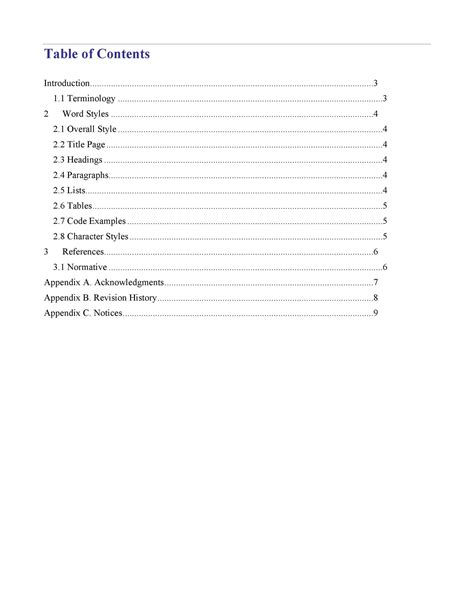
- [Introduction](#introduction)
- [What Does a Processing Assistant Do?](#what-does-a-processing-assistant-do)
- [Average Processing Assistant Salary: A Deep Dive](#average-processing-assistant-salary-a-deep-dive)
- [Key Factors That Influence a Processing Assistant's Salary](#key-factors-that-influence-salary)
- [Job Outlook and Career Growth for Processing Assistants](#job-outlook-and-career-growth)
- [How to Become a Processing Assistant](#how-to-get-started-in-this-career)
- [Conclusion: Is a Processing Assistant Career Right for You?](#conclusion)
Introduction

In the intricate, high-stakes world of a global giant like Amazon, success isn't just about groundbreaking innovation or executive strategy. It's built on a foundation of flawless execution, meticulous data management, and operational precision. This is where the Processing Assistant steps in—the unsung hero in the engine room of commerce, ensuring the vast machinery of business runs smoothly, accurately, and on time. If you are a person who finds satisfaction in order, thrives on accuracy, and wants to be an essential part of a major corporation's daily success, a career as a Processing Assistant could be your ideal path.
This role is far more than simple data entry; it is the critical link in the chain of information that powers logistics, finance, human resources, and countless other departments. Consequently, the processing assistant amazon salary reflects this importance, with a typical compensation package that is competitive and rewarding. Across the United States, a Processing Assistant at a company like Amazon can expect to earn an average total pay ranging from $35,000 to over $55,000 annually, with significant potential for growth based on location, experience, and specialization (Source: Glassdoor, Payscale, 2023).
I once worked alongside a project management team that was struggling with a massive data migration project. Deadlines were slipping, and morale was low due to constant errors in the dataset. A Processing Assistant, quietly and diligently, developed a new verification protocol that not only caught 99% of the errors but also streamlined the entire workflow, getting the project back on track and saving what was estimated to be thousands of dollars in rework. That experience cemented my belief that these roles are not just supportive; they are fundamentally strategic.
This guide will serve as your definitive resource for understanding every facet of a Processing Assistant career, with a special focus on opportunities at a large-scale employer like Amazon. We will dissect salary expectations, explore the factors that can increase your earning potential, analyze the long-term career outlook, and provide a concrete, step-by-step plan to help you launch and advance in this vital profession.
---
What Does a Processing Assistant Do?
At its core, a Processing Assistant is an information and workflow specialist. They are the guardians of data integrity and procedural adherence. While the specific tasks can vary dramatically depending on the department—be it finance, logistics, human resources, or a technical team—the fundamental purpose remains the same: to process information, documents, or tasks accurately and efficiently according to established guidelines.
Think of them as the vital operational layer that translates plans into actionable, recorded data. When an order is placed, a shipment is logged, an employee is onboarded, or an invoice is paid, a Processing Assistant is often involved, ensuring every step is correctly documented and moved to the next stage. They are the quality control experts for the administrative lifeblood of the company.
Core Responsibilities and Daily Tasks:
A Processing Assistant's day is a blend of routine tasks requiring immense focus and project-based work that demands problem-solving skills. Key responsibilities often include:
- Data Entry and Verification: Inputting large volumes of data into various systems (e.g., spreadsheets, databases, proprietary software like Amazon's internal tools). This is followed by the crucial step of verifying the data for accuracy and completeness.
- Document Management: Receiving, sorting, scanning, and filing physical and digital documents. This could involve anything from vendor invoices and shipping manifests to employee records and legal paperwork.
- Workflow Execution: Following multi-step procedures to process transactions, requests, or cases. For example, processing a batch of new inventory arrivals in a fulfillment center's database or handling a series of employee expense reports.
- Report Generation: Compiling data from various sources to create standardized daily, weekly, or monthly reports for managers and stakeholders. These reports might track productivity, error rates, or processing volumes.
- Compliance and Auditing: Ensuring that all processed information adheres to company policies, industry regulations, and legal requirements (e.g., GDPR, SOX). They may assist in internal audits by retrieving and organizing necessary documentation.
- Communication and Support: Liaising with other departments, team members, or external partners to resolve discrepancies, request missing information, or provide status updates on processed items.
### A "Day in the Life" of an Amazon Processing Assistant
To make this more tangible, let's imagine a day for "Alex," a Processing Assistant in Amazon's Accounts Payable department.
- 8:30 AM: Alex arrives and logs into their workstation. The first task is to review the team's shared inbox and the internal ticketing system. There are 50 new invoices from various vendors that came in overnight.
- 9:00 AM: Alex begins processing the invoice queue. For each invoice, they open the digital file, verify that the purchase order (PO) number matches a PO in Amazon's financial system, check that the line items and costs are correct, and ensure the vendor's details are accurate.
- 10:30 AM: Alex encounters an invoice with a discrepancy—the amount charged for "Product A" is 10% higher than the amount listed on the PO. Alex flags this invoice, opens a case in the tracking system, and sends a standardized email to the procurement department and the vendor to request clarification.
- 11:00 AM: Alex shifts to a secondary task: running a "Duplicate Payment" report. This query scans the last 24 hours of processed payments to ensure no vendor has been paid twice for the same invoice, a critical control to prevent financial loss.
- 12:00 PM: Lunch break.
- 1:00 PM: Alex joins a brief 15-minute team huddle to discuss the morning's workload, any major roadblocks, and the daily processing targets.
- 1:15 PM: The procurement team responds regarding the discrepant invoice, confirming a price update. They provide the updated PO documentation. Alex attaches this to the case, updates the system with the correct amount, and approves the invoice for payment.
- 2:30 PM: Alex focuses on a special project: helping prepare for the quarterly audit. They are tasked with pulling a random sample of 100 processed invoices from the last quarter, along with all associated communications and approvals, and organizing them in a secure digital folder for the audit team.
- 4:00 PM: Alex returns to the main invoice queue, working steadily to clear the backlog and meet the team's goal of processing 95% of incoming invoices within 24 hours.
- 5:00 PM: Before logging off, Alex runs a final report summarizing their individual productivity for the day—number of invoices processed, number of exceptions handled, and average processing time—and submits it to their team lead.
This example illustrates the blend of meticulous, repetitive work with critical thinking and problem-solving that defines the Processing Assistant role.
---
Average Processing Assistant Salary: A Deep Dive
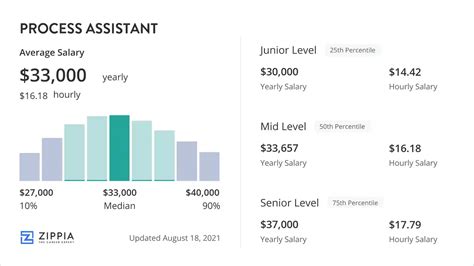
Understanding the compensation for a Processing Assistant role requires looking beyond a single number. The salary is a package composed of base pay, potential bonuses, and comprehensive benefits, all of which can vary based on the employer, your experience, and where you work. For a massive, data-driven company like Amazon, compensation is typically competitive and structured to attract and retain detail-oriented talent.
### National Averages and Typical Salary Ranges
When analyzing salary data, it's helpful to look at both Amazon-specific figures and the broader market for similar roles. The U.S. Bureau of Labor Statistics (BLS) classifies roles like Processing Assistants under broader categories. The most relevant is "Information and Record Clerks," which had a median annual wage of $48,510 in May 2022. The lowest 10 percent earned less than $31,560, and the highest 10 percent earned more than $77,910, showcasing a wide potential range (Source: BLS, Occupational Outlook Handbook, retrieved 2023).
Salary aggregators provide more company-specific insights:
- Glassdoor: Reports that the typical salary for a Processing Assistant at Amazon ranges from $35,000 to $53,000 per year, with an estimated total pay (including potential bonuses and other compensation) averaging around $43,923 per year (Source: Glassdoor, 2023).
- Payscale: Shows a similar range for Amazon Processing Assistants, with an average base hourly rate of approximately $18.50/hour. This translates to an annual base salary of roughly $38,480 for a full-time position. The overall salary range is reported between $31,000 and $49,000 (Source: Payscale, 2023).
- Salary.com: For the broader role of "Processing Clerk," the median salary in the United States is around $42,162 per year, with a typical range falling between $38,100 and $47,211 (Source: Salary.com, 2023).
These figures paint a consistent picture: an entry-level Processing Assistant can expect to start in the mid-$30,000s, with the potential to earn into the $50,000s and beyond as they gain experience and take on more complex responsibilities.
### Salary by Experience Level
Your compensation will grow as you move from an entry-level position to a seasoned professional. Here’s a breakdown of what you can generally expect at different stages of your career.
| Experience Level | Typical Years of Experience | Typical Annual Salary Range (General) | Notes |
| :--- | :--- | :--- | :--- |
| Entry-Level Processing Assistant | 0-2 Years | $32,000 - $42,000 | Focuses on foundational tasks like data entry, basic verification, and following standard procedures. Requires high attention to detail and ability to learn systems quickly. |
| Mid-Career Processing Assistant | 3-7 Years | $40,000 - $55,000 | Handles more complex cases, troubleshoots discrepancies, may train junior staff, and generates reports. Often trusted with sensitive data. |
| Senior/Lead Processing Assistant | 8+ Years | $52,000 - $70,000+ | Acts as a subject matter expert (SME), oversees a small team, designs/improves workflows, assists with audits, and handles the most complex and high-stakes processing tasks. |
*(Salary ranges are compiled from BLS, Glassdoor, and Payscale data, 2023, and represent a national average. Actual salaries will vary significantly based on the factors discussed in the next section.)*
### Deconstructing the Total Compensation Package
At a company like Amazon, your salary is more than just your paycheck. The total compensation package is a significant part of the financial appeal. Here’s what it often includes:
1. Base Salary: This is the fixed, predictable amount you earn, paid either hourly or as an annual salary. For many Processing Assistant roles, especially at the entry-level, this will be an hourly wage. Amazon is known for its competitive starting wages, often advertising a minimum hourly rate for its operational roles.
2. Bonuses: While not always guaranteed for every role, performance-based bonuses or sign-on bonuses can be part of the offer. Sign-on bonuses are more common in competitive hiring markets, while performance bonuses might be tied to team or individual metrics like processing speed, accuracy rates, and adherence to service level agreements (SLAs).
3. Restricted Stock Units (RSUs): This is a hallmark of compensation at Amazon and many other tech companies. RSUs are a grant of company stock that vests over a period of time. For an employee, this means you gain ownership of the shares after you’ve worked for the company for a certain duration (e.g., 25% vests after your first year, with the rest vesting quarterly or annually thereafter). This can significantly increase your total compensation, especially if the company's stock value appreciates over time. While more common for higher-level and technical roles, some administrative and operational roles at Amazon may also be eligible for RSU grants.
4. Benefits Package: This is a crucial, often underestimated component of your total earnings. Amazon offers a comprehensive benefits package that can be worth thousands of dollars annually. This typically includes:
- Health Insurance: Medical, dental, and vision coverage for you and your family.
- Retirement Savings: A 401(k) plan with a company match, helping you save for the future.
- Paid Time Off (PTO): Includes vacation, personal days, and sick leave.
- Parental Leave: Generous paid leave for new parents.
- Employee Assistance Program (EAP): Confidential support for personal and work-related issues.
- Career Choice Program: A unique Amazon benefit that prepays up to 95% of tuition for courses in high-demand fields, even if those fields are outside of Amazon. This is an incredible tool for long-term career development.
When evaluating a job offer, it's essential to look at the entire compensation package. A slightly lower base salary at a company with outstanding benefits and stock options can often be more valuable in the long run than a higher base salary with a minimal benefits package.
---
Key Factors That Influence a Processing Assistant's Salary
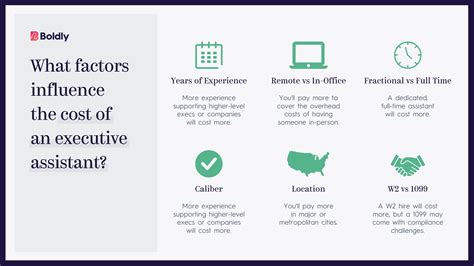
The salary ranges discussed above are a national baseline. Your actual earnings as a Processing Assistant will be determined by a combination of your personal qualifications, your geographic location, your specific role, and the company you work for. Understanding these factors is the key to maximizing your earning potential throughout your career. This is the most critical section for anyone looking to strategically build a high-paying career in this field.
### `
` Level of Education `
`While a four-year degree is not always a strict requirement to enter the field, your educational background plays a significant role in your starting salary and long-term advancement opportunities.
- High School Diploma or GED: This is the typical minimum requirement for most entry-level Processing Assistant roles. With a diploma, you can secure a position and expect a salary in the lower end of the entry-level range, typically $32,000 to $38,000. Success at this level depends heavily on demonstrating skills like typing speed, computer literacy, and attention to detail.
- Associate's Degree: An Associate's degree in Business Administration, Accounting, or Information Technology provides a clear advantage. It signals a higher level of commitment and foundational knowledge. Employers are often willing to pay a premium for this, and your starting salary could be 5-10% higher than that of a candidate with only a high school diploma. More importantly, it can be a stepping stone to supervisory roles.
- Bachelor's Degree: A Bachelor's degree (e.g., in Business, Finance, Communications, or a related field) positions you for the highest entry-level salaries and a much faster career trajectory. You'll be a strong candidate for roles that require not just processing, but also analysis, reporting, and process improvement. A candidate with a relevant bachelor's degree could start in the low-to-mid $40,000s and will be first in line for promotions to Lead, Specialist, or Analyst positions.
- Professional Certifications: Certifications act as powerful salary boosters. They are a direct testament to your skills in specific, high-value areas.
- Microsoft Office Specialist (MOS) Expert: Certifies your advanced skills in Excel, Word, and Access. This is highly valuable as spreadsheet and database management are central to the role. This certification alone can add $1,000 - $3,000 to your annual salary potential.
- Certified Administrative Professional (CAP): Offered by the International Association of Administrative Professionals (IAAP), this is a prestigious certification that covers a broad range of office management and administrative skills. It signals a high level of professionalism and can significantly enhance your credibility and earning power, especially when moving into senior or lead roles.
### `
` Years of Experience `
`Experience is arguably the single most important factor in salary growth for a Processing Assistant. As you prove your reliability, accuracy, and ability to handle complexity, your value to the organization skyrockets.
- Entry-Level (0-2 years): As previously noted, salaries typically range from $32,000 to $42,000. The focus is on learning the systems, meeting accuracy targets, and demonstrating reliability. Your goal is to master the core functions of your role.
- Mid-Career (3-7 years): With several years of experience, you are no longer just a processor; you are a problem-solver. You understand the "why" behind the processes. You can troubleshoot common issues without escalation and may be asked to train new hires. Your salary will reflect this increased responsibility, climbing into the $40,000 to $55,000 range. At Amazon, this could mean moving from a Level 2/3 role to a Level 4, which often comes with a significant pay bump and potential for RSU grants.
- Senior/Lead (8+ years): At this stage, you are a Subject Matter Expert (SME). You are the go-to person for the most complex cases. You may lead a small team, manage escalations, contribute to designing more efficient workflows, and work closely with auditors or project managers. Your salary will be at the top of the range, from $52,000 to $70,000+. In some specialized, high-cost-of-living areas, a Senior Processing Lead in a critical function (like finance or legal) could potentially earn even more.
### `
` Geographic Location `
`Where you work has a massive impact on your salary. Companies adjust their pay scales based on the local cost of living and the competitiveness of the local job market. A Processing Assistant salary in San Francisco will be drastically different from one in a small town in the Midwest.
Here’s a comparative look at estimated average salaries for a Processing Assistant with 3-5 years of experience in different U.S. metropolitan areas:
| Metropolitan Area | Estimated Average Salary | Cost of Living vs. National Average |
| :--- | :--- | :--- |
| San Francisco, CA | $58,000 - $65,000 | ~80% Higher |
| New York, NY | $55,000 - $62,000 | ~60% Higher |
| Seattle, WA (Amazon HQ) | $52,000 - $60,000 | ~50% Higher |
| Boston, MA | $51,000 - $58,000 | ~40% Higher |
| Austin, TX | $45,000 - $52,000 | ~10% Higher |
| Chicago, IL | $44,000 - $51,000 | ~10% Higher |
| Phoenix, AZ | $41,000 - $48,000 | ~5% Higher |
| St. Louis, MO | $38,000 - $45,000 | ~10% Lower |
*(Data compiled and estimated from Glassdoor, Salary.com, and Payscale's location-based salary calculators, 2023.)*
As you can see, working in a major tech hub or a high-cost-of-living (HCOL) city can increase your base salary by 30-50% or more compared to a lower-cost-of-living (LCOL) area. However, it is crucial to weigh this against the higher expenses for housing, transportation, and daily life. The rise of remote work has also introduced a new dynamic, with some companies paying based on the employee's location, while others have a national pay scale regardless of where you live.
### `
` Company Type & Size `
`The type of organization you work for is a major determinant of your salary and benefits.
- Large Tech Corporations (e.g., Amazon, Google, Microsoft): These companies typically offer the highest salaries and the most comprehensive benefits packages. They have the resources to pay top dollar for talent and often include lucrative stock options (RSUs) that can dramatically increase total compensation. The work environment is often fast-paced, data-driven, and offers significant opportunities for internal mobility.
- Large Financial Institutions (e.g., JPMorgan Chase, Bank of America): Banks, insurance companies, and investment firms also rely heavily on processing assistants for handling financial transactions, claims, and client data. Salaries are very competitive, often rivaling those in tech, and the roles demand an extremely high level of accuracy and regulatory compliance.
- Small to Medium-Sized Businesses (SMBs): An SMB may offer a slightly lower base salary compared to a corporate giant. However, the trade-off can be a broader range of responsibilities, a more relaxed culture, and a greater opportunity to see the direct impact of your work. Benefits packages may be less robust.
- Government (Federal, State, Local): Government processing roles (often called "Clerks" or "Technicians") offer excellent job security and strong benefits, including pensions. The base salaries are often moderate and defined by rigid pay scales (like the GS scale for federal jobs), but the stability and work-life balance can be a major draw.
- Non-Profit Organizations: Non-profits typically have tighter budgets and offer lower salaries than the for-profit sector. However, the work can be incredibly rewarding for those passionate about the organization's mission.
### `
` Area of Specialization `
`Not all processing roles are created equal. Specializing in a complex or high-stakes department can lead to significantly higher pay. This is one of the best ways to proactively increase your value.
- Finance/Accounting: Processing assistants here handle invoices, expense reports, payroll data, and accounts reconciliation. Due to the direct financial impact and the need for knowledge of accounting principles, these roles often pay a 5-15% premium over general administrative processing roles.
- Legal: A processing assistant in a legal department (sometimes called a Legal Assistant or Case Clerk) handles sensitive legal documents, case files, and discovery materials. This requires extreme confidentiality and meticulous organization. These roles are among the highest-paid, potentially earning a 10-25% premium.
- Human Resources (HR): HR processing assistants manage employee data, onboarding paperwork, benefits enrollment, and payroll changes. Given the confidential nature of personnel files, these roles demand discretion and accuracy and are compensated accordingly.
- Logistics/Supply Chain: At a company like Amazon, this is a massive area. Processing assistants here track shipments, manage inventory data in warehouse management systems (WMS), handle customs documentation, and process carrier invoices. It's a fast-paced environment where accuracy directly impacts the company's core business.
- IT/Technical: An assistant in an IT department might process hardware/software procurement requests, manage IT asset inventory, or handle user access requests. A basic understanding of technical terminology and systems is required and can lead to higher pay.
### `
` In-Demand Skills `
`Beyond your formal qualifications, the specific skills you possess can directly translate into a higher salary. A candidate who can demonstrate proficiency in high-value skills during an interview or on their resume will always have a negotiating edge.
High-Value Hard Skills:
- Advanced Microsoft Excel: This is non-negotiable. You need to go beyond basic data entry. Mastery of PivotTables, VLOOKUP/HLOOKUP/XLOOKUP functions, conditional formatting, and basic macros can set you apart and justify a higher salary.
- Database Management (SQL, Access): Even a basic understanding of how to query a database using SQL (Structured Query Language) is a massive differentiator. It shows you can retrieve and analyze data yourself, rather than just inputting it.
- Enterprise Resource Planning (ERP) Software: Experience with systems like SAP, Oracle, or NetSuite is extremely valuable, as many large corporations use them to manage their core business processes.
- Customer Relationship Management (CRM) Software: Proficiency in platforms like Salesforce is highly sought after, especially for roles that touch sales or customer support data.
- High Typing Speed and Accuracy: A quantifiable skill. Being able to type at 70+ words per minute (WPM) with near-perfect accuracy is a direct measure of your efficiency and a strong selling point.
Crucial Soft Skills:
- Extreme Attention to Detail: This is the cornerstone of the role. You must have a proven ability to catch small errors that others might miss.
- Problem-Solving: When a process breaks down or data doesn't align, you need the analytical skills to investigate the root cause and propose a solution.
- Communication: The ability to clearly and professionally communicate (both written and verbal) with colleagues, managers, and external partners to resolve issues is essential.
- Time Management and Organization: You will be juggling multiple tasks and deadlines simultaneously. The ability to prioritize effectively is critical for success and for demonstrating your capability to handle more responsibility.
---
Job Outlook and Career Growth

While securing a competitive salary is important, understanding the long